Single-origin cacao, roasted in small batches and ground for forty-eight hours between granite wheels. Two ingredients, one origin, nothing to hide behind.
Chocolate is a fruit before it is a sweet. We keep the fruit: the red berry of a Peruvian bean, the hazel warmth of Madagascar, the smoke of a Colombian roast. We add cane sugar, time, and nothing else.
6 daysof fermentation at origin, under banana leaves
2ingredients in our dark bars: cacao and cane sugar
1origin per bar, named on every wrapper
Anatomy of a bar
One bean, turned three ways.
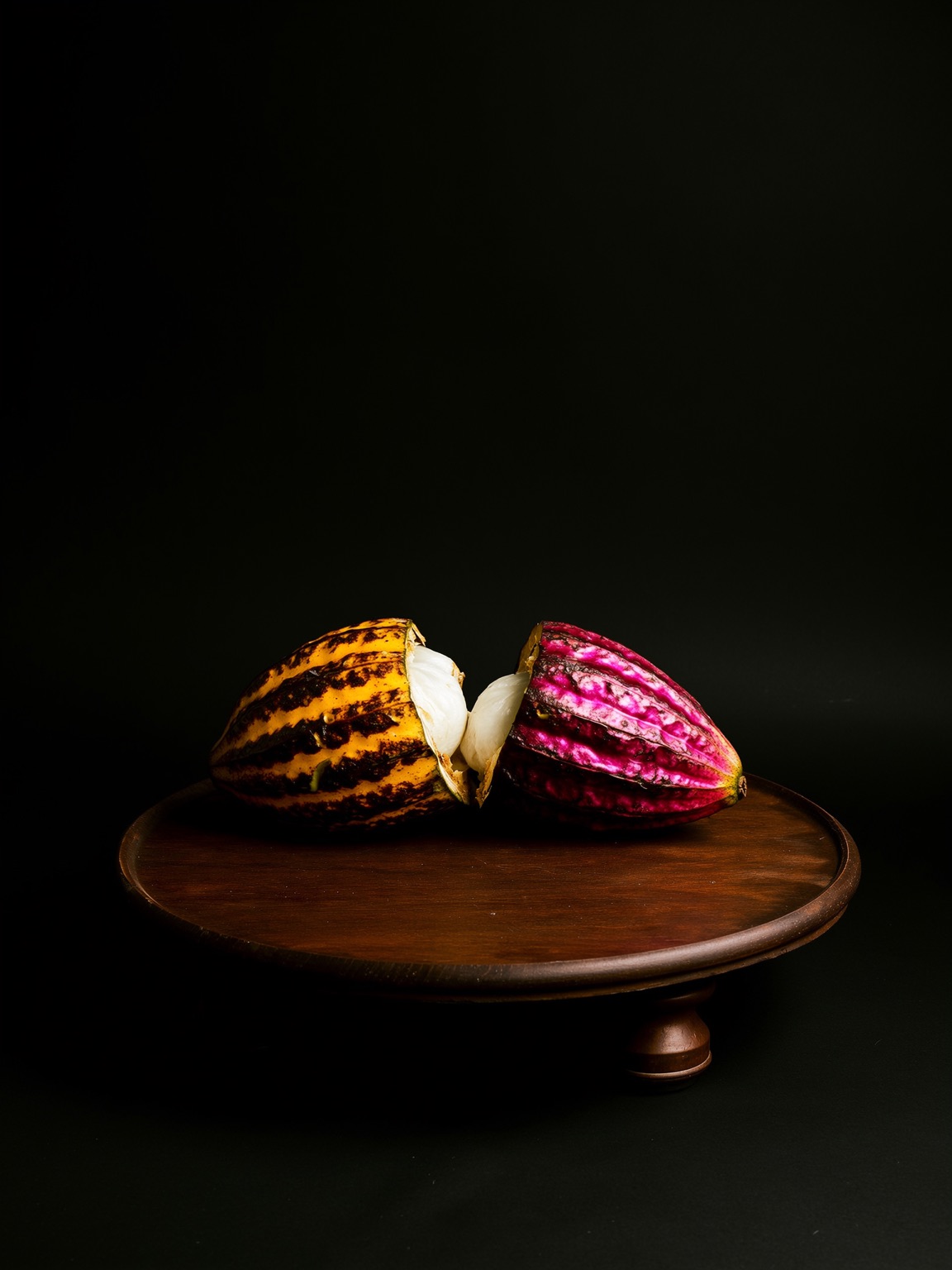
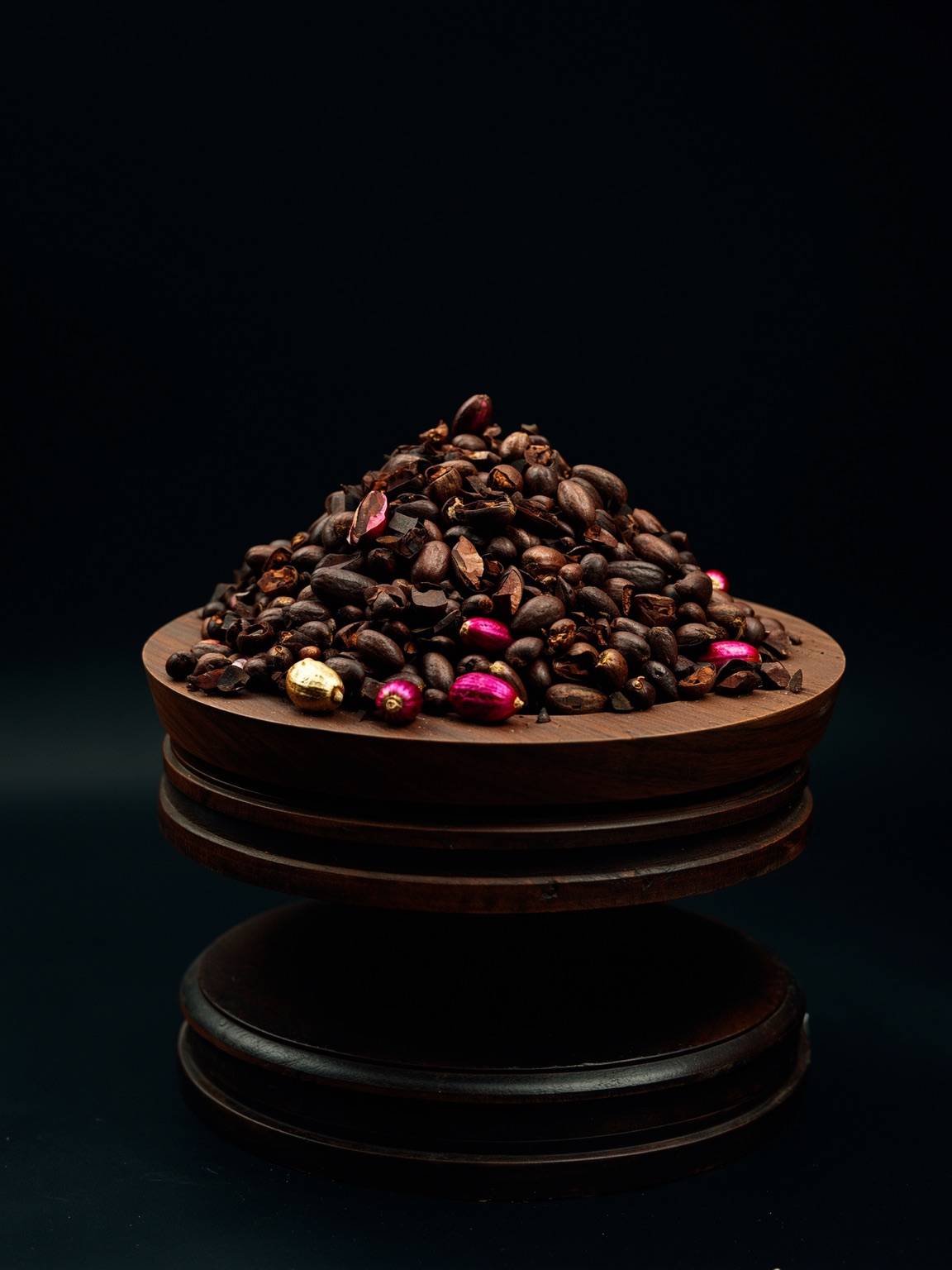
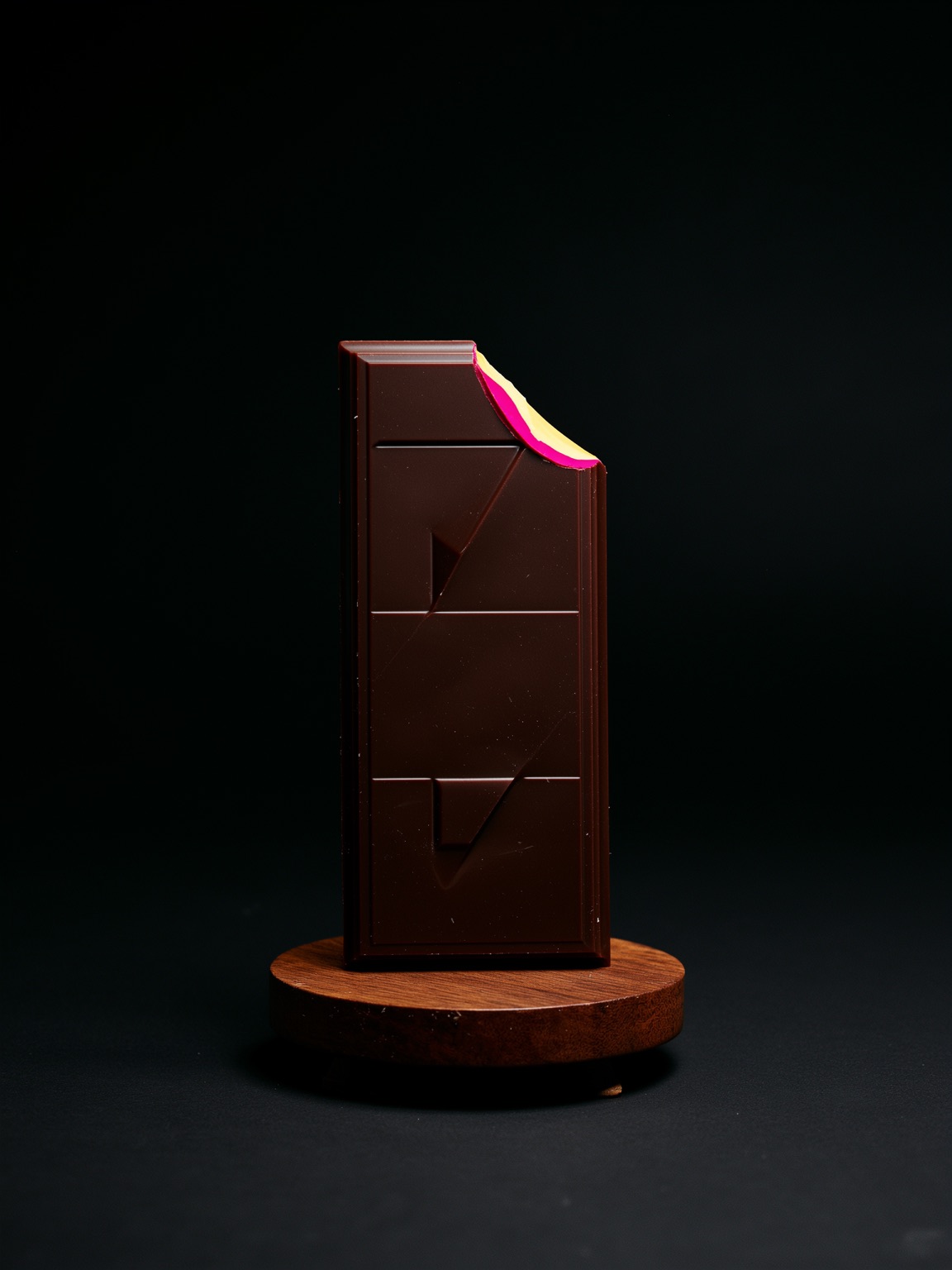
The same cacao, on the same walnut plinth: a split pod, a pile of roasted nibs, then the finished bar. Everything in between happens in our workshop.
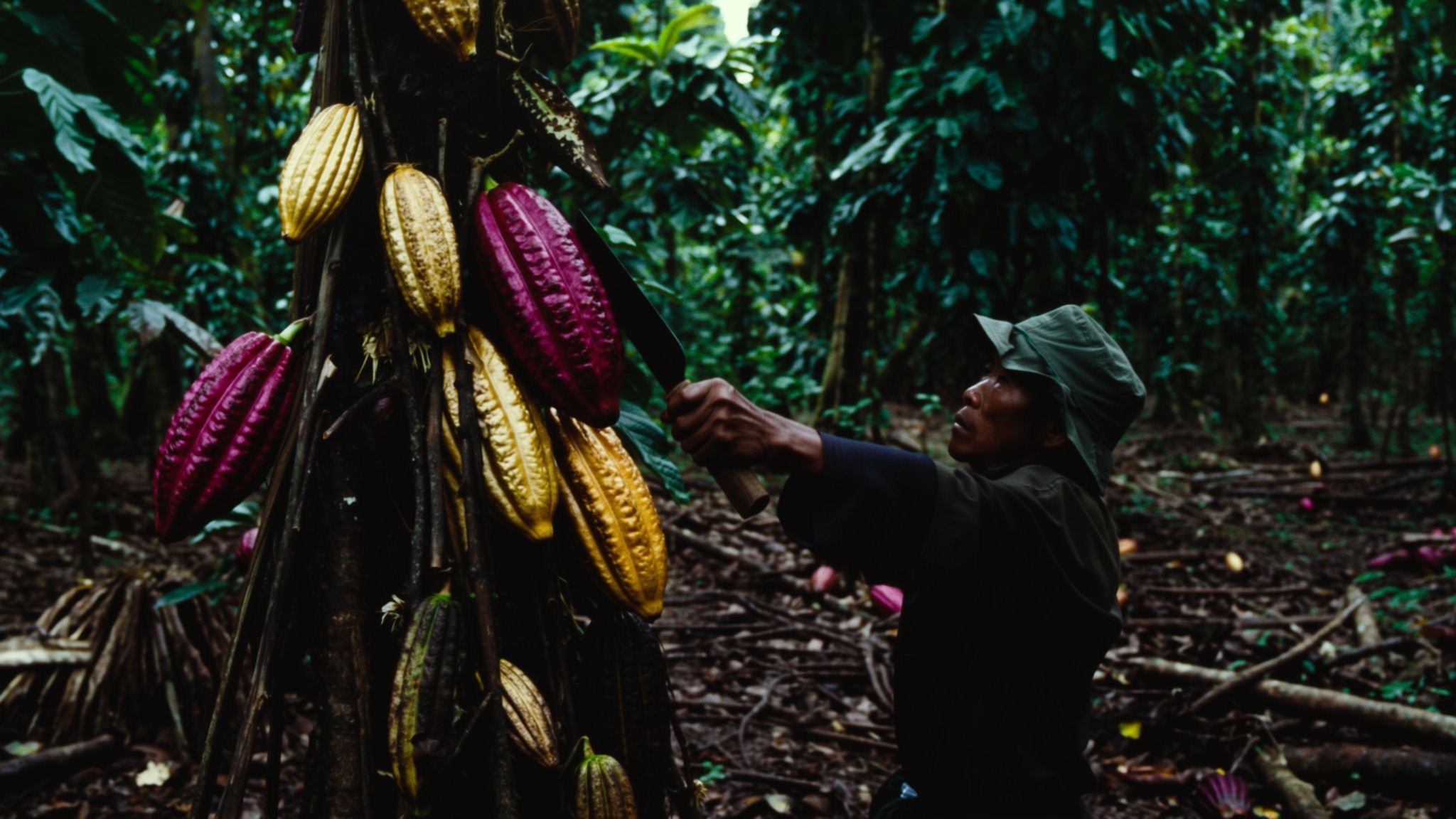
I · The podFruit, split open.
Ochre or magenta, each pod holds forty beans in sweet white pulp. The pulp feeds the fermentation that first wakes the flavour.
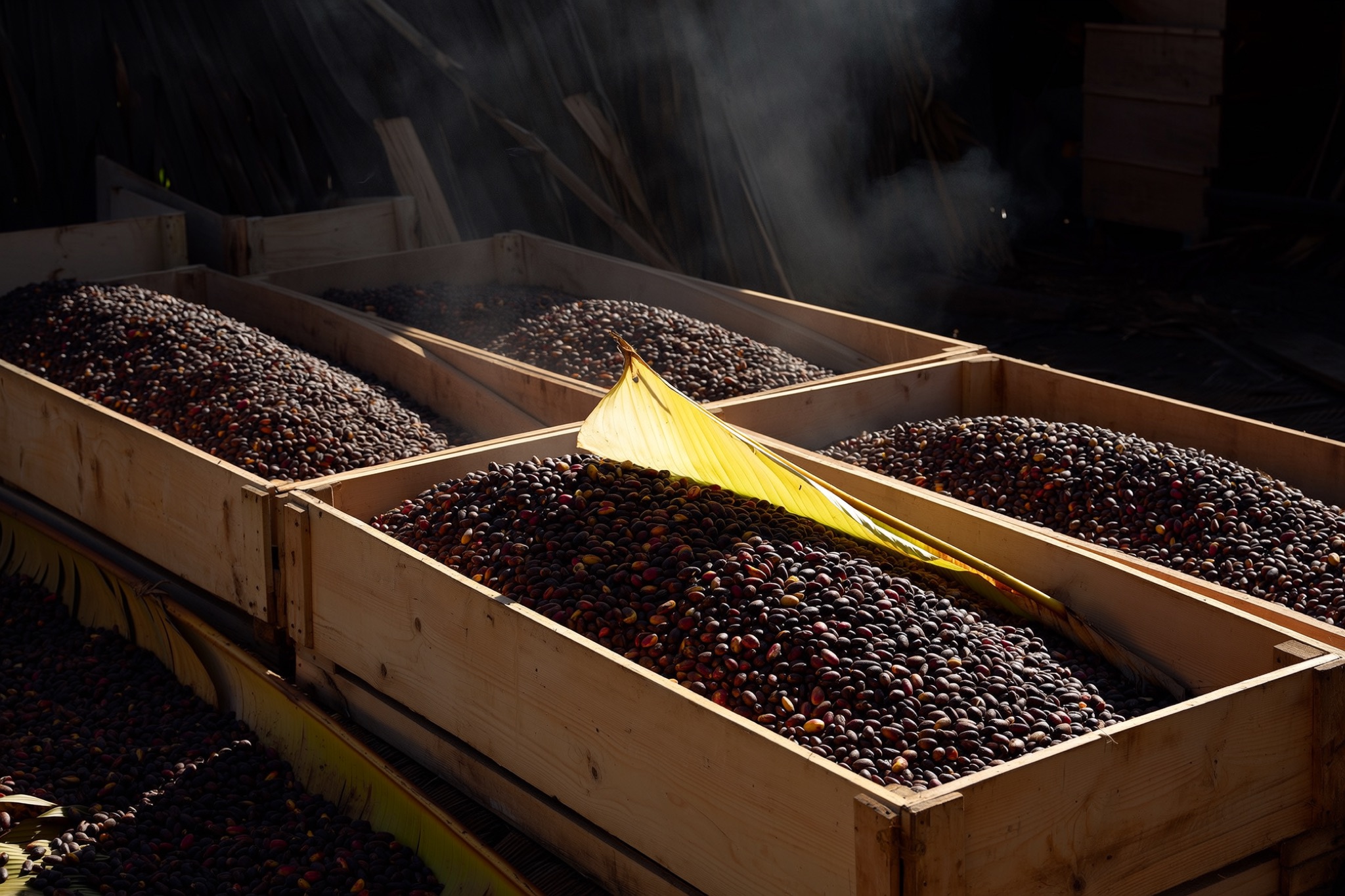
II · The nibRoasted, then cracked.
Each origin has its own roast curve, between 120 and 135 °C. We crack the beans and winnow away the husk until only the nib is left.
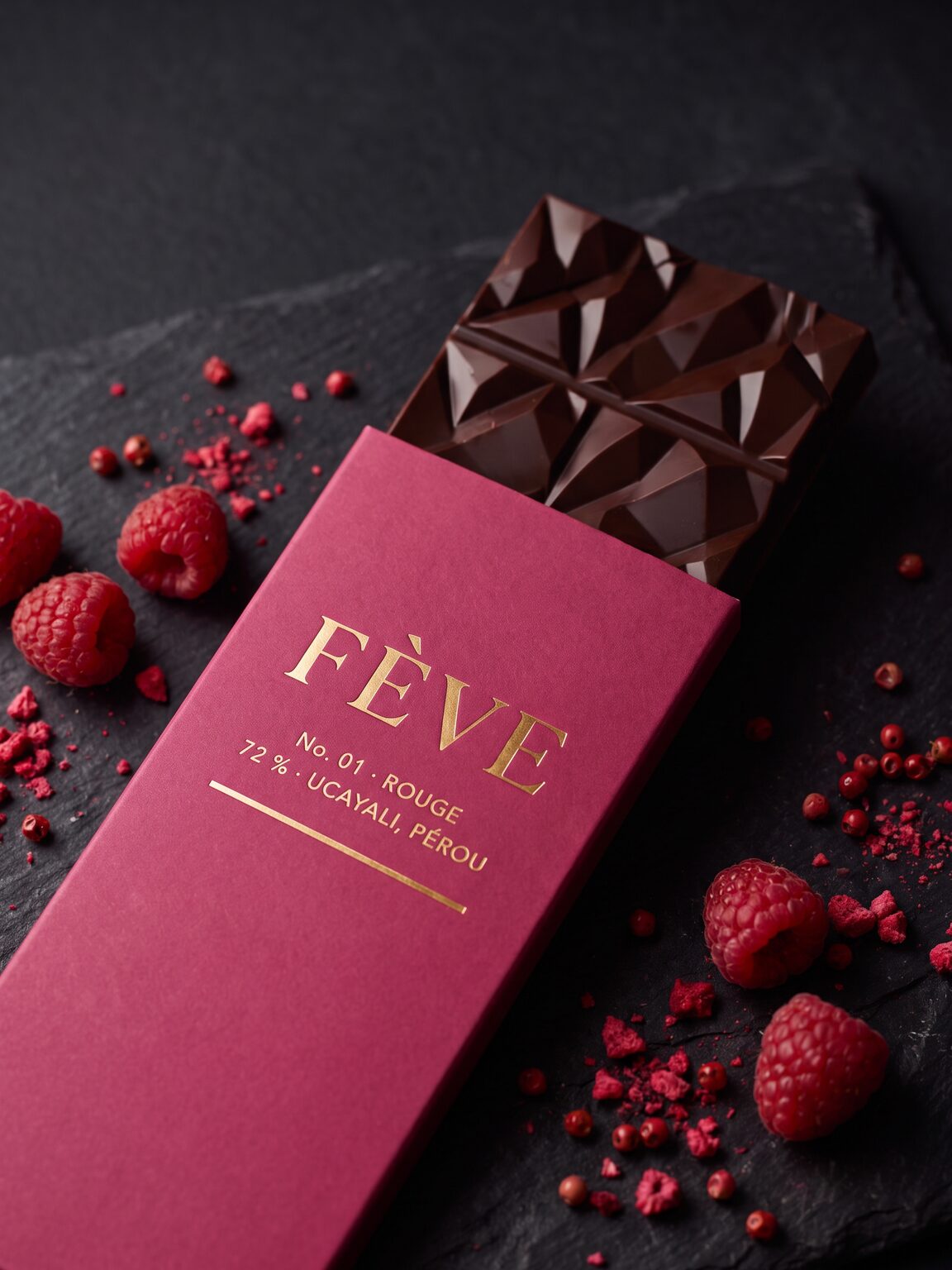
III · The barFaceted, and finished.
Forty-eight hours of grinding, four weeks of rest, then tempered by hand into a bar cut like a stone, so it breaks clean with a snap.
Turn0°
I / III
Origin
Flavour starts on the farm.
We buy whole harvests from three growers' co-operatives in Peru, Madagascar and Colombia, at prices agreed before the pods are cut. Their fermentation decides more of the taste than anything we do in Lyon.
Harvest, Ucayali valley, PeruPods cut by hand, never pulled
Harvest
Pods are picked when the husk turns full ochre or magenta, and opened the same day.
Ferment
Six days in cascading wooden boxes under banana leaves, turned every forty-eight hours.
Dry
Ten days on raised beds in the sun, down to seven percent moisture.
Sort
Every sack is sorted by hand in Lyon. Flat, broken or mouldy beans never reach the roaster.
The workshop
Forty-eight hours under stone.
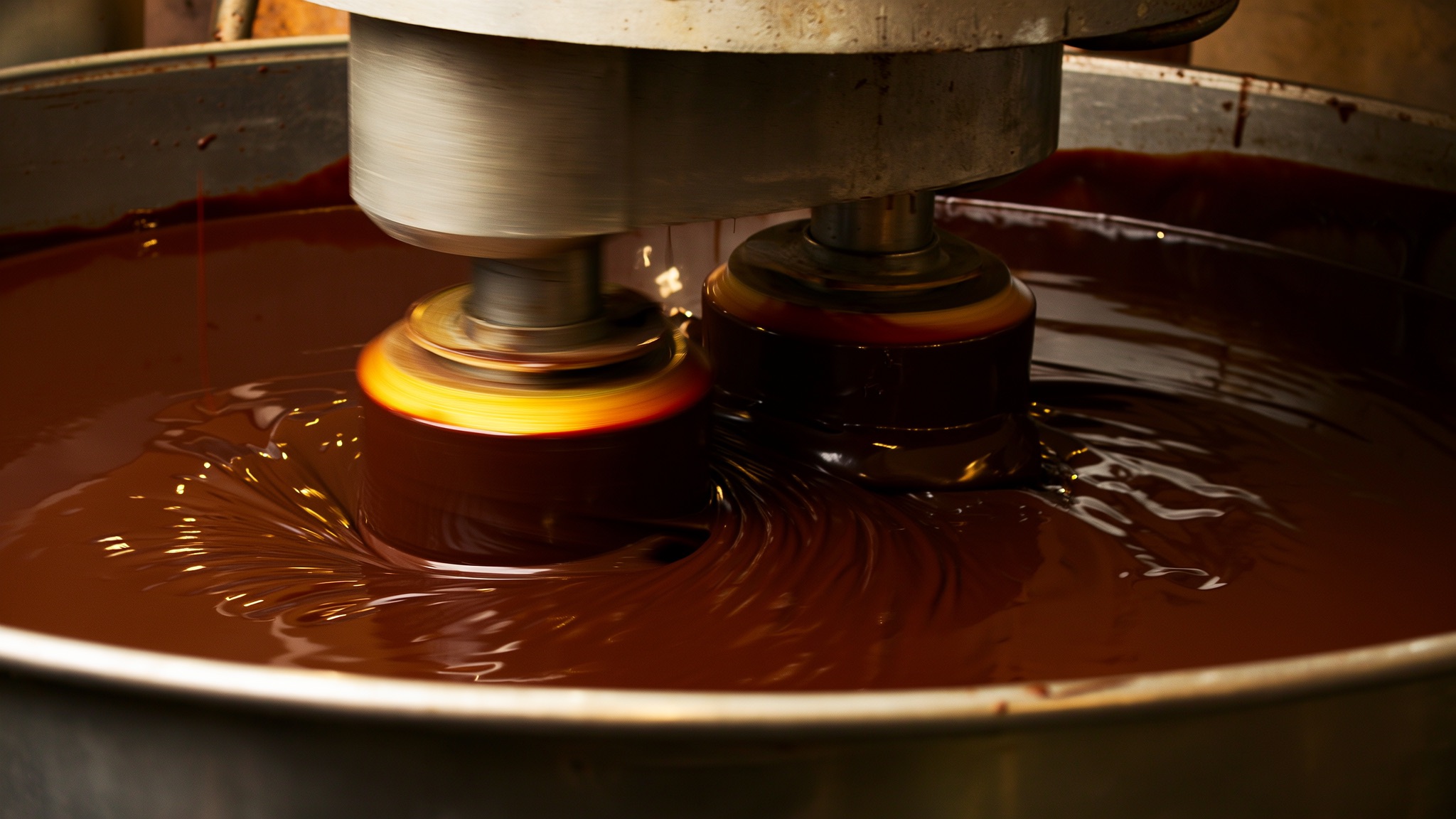
The heart of FÈVE is a melanger: two granite wheels turning in a steel drum. Nibs go in as a coarse paste and come out as liquid silk, each particle ground finer than the tongue can find.
We grind in small batches, taste every twelve hours, and stop when the origin speaks clearly. Then the chocolate rests for four weeks before it is tempered on marble.
Visit the workshop
Shop open Thursday to Saturday, 10:00 to 19:00. A seventy-five-minute tour runs on Saturdays at 11:00, tasting included, €18.
Roast120–135 °C, by origin
Batch20 kg of beans
Grind48 hours on granite
Rest4 weeks
TemperBy hand, on marble
The bars
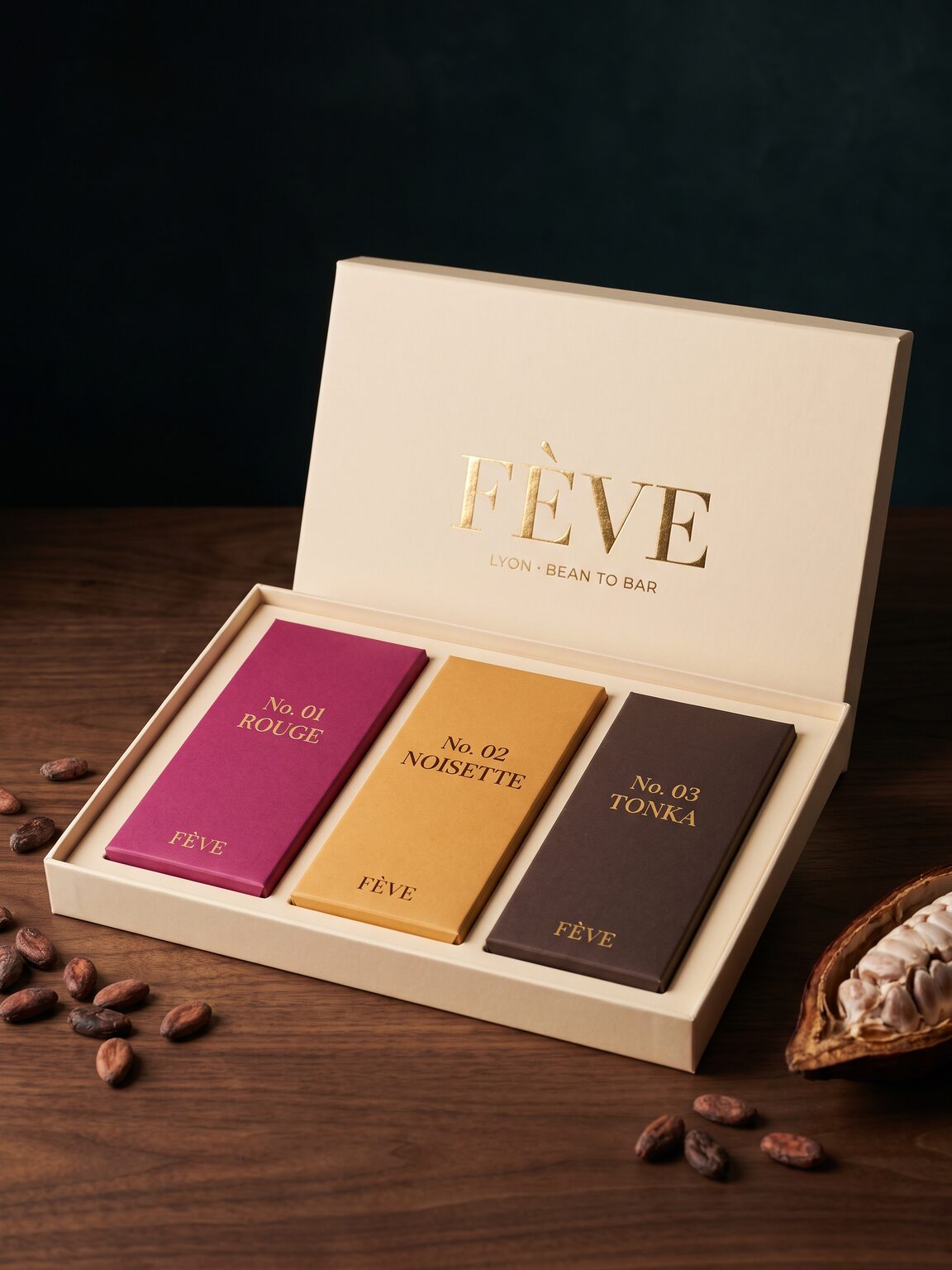
Three origins, three tempers.
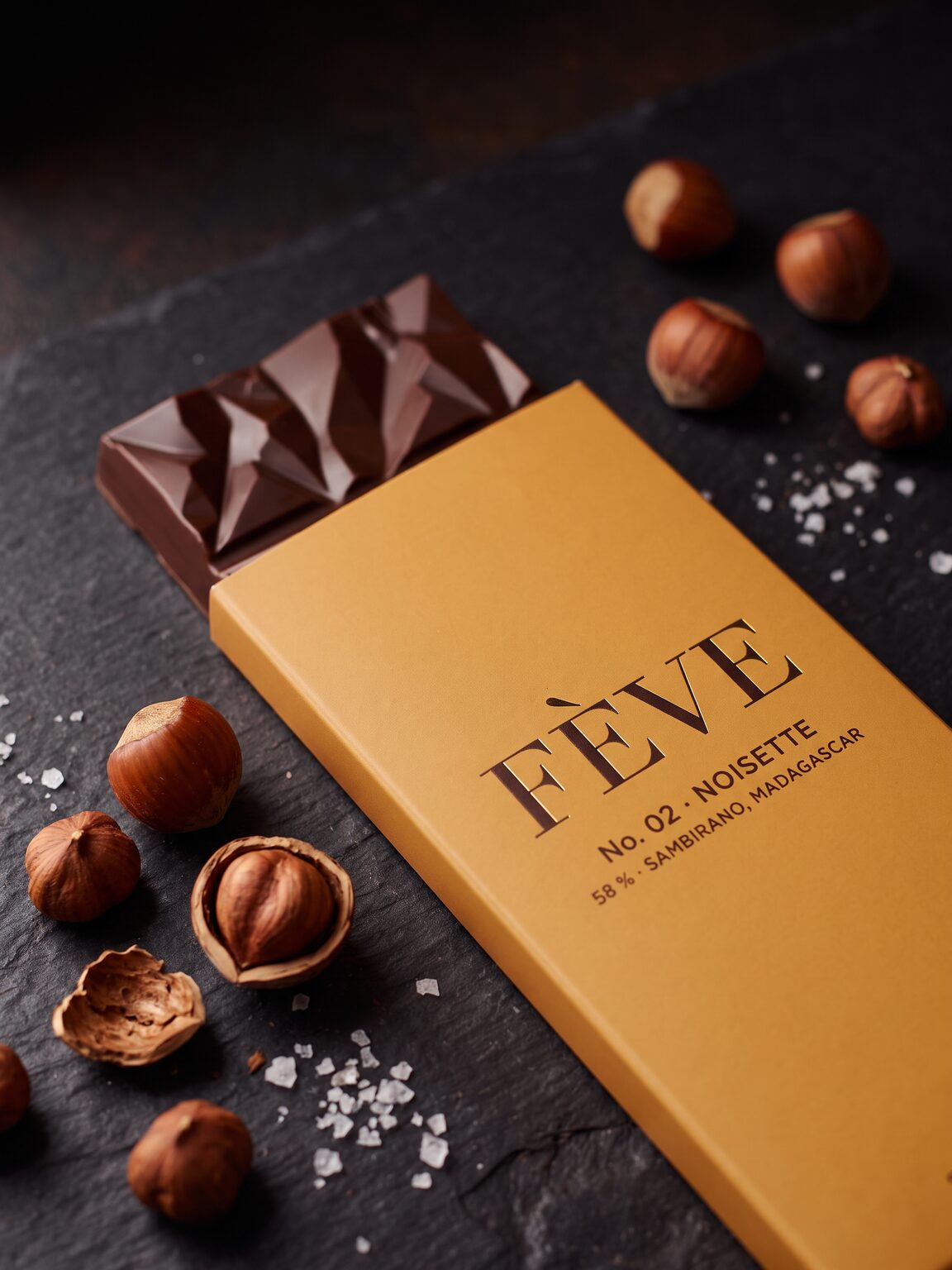
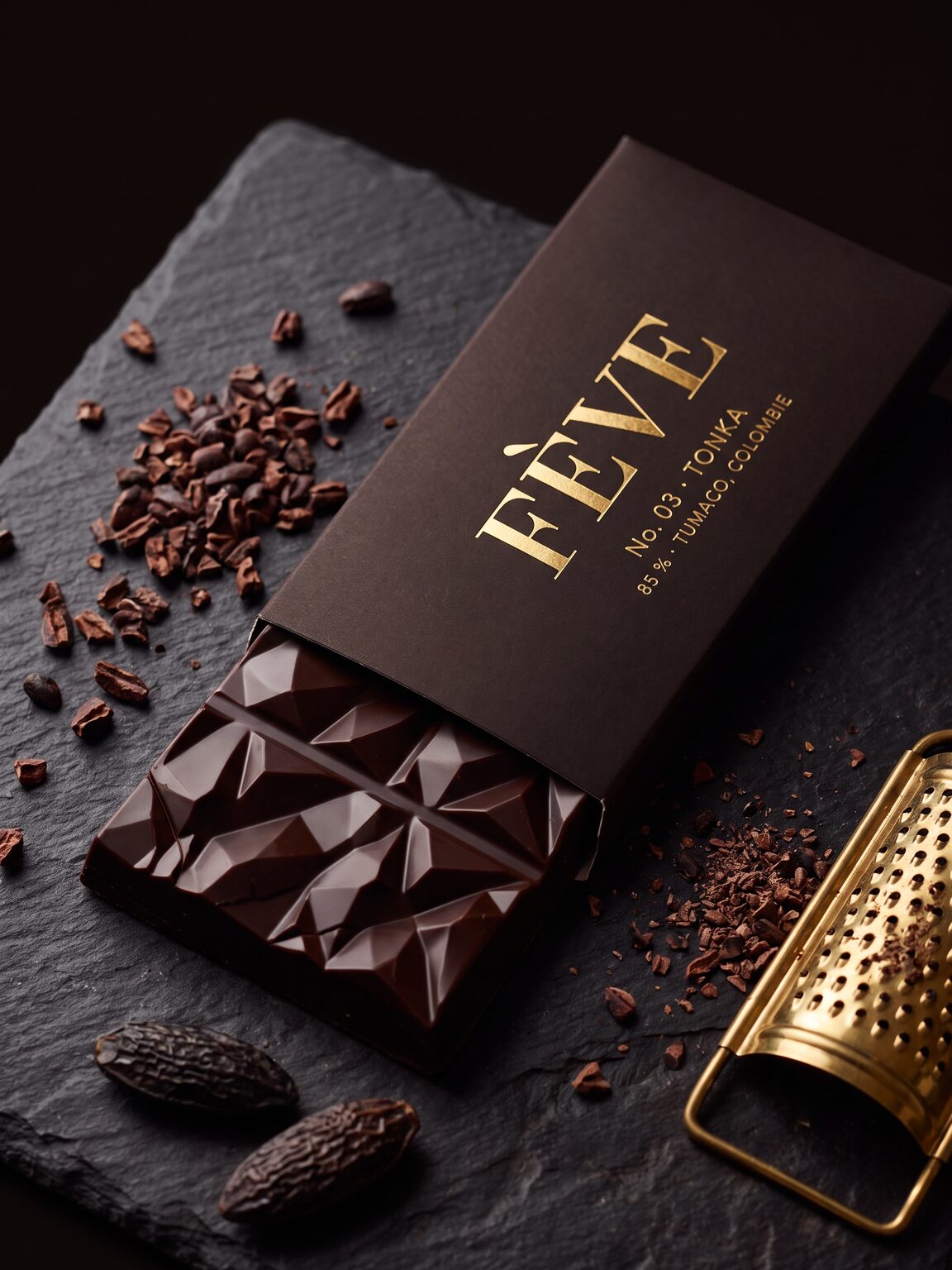
Seventy grams each, moulded in our faceted pattern and wrapped in foil by hand. Collect them at the workshop in Lyon, or have them sent in insulated boxes to France, Belgium, Germany, Italy, the Netherlands and Spain. Free delivery over €45.
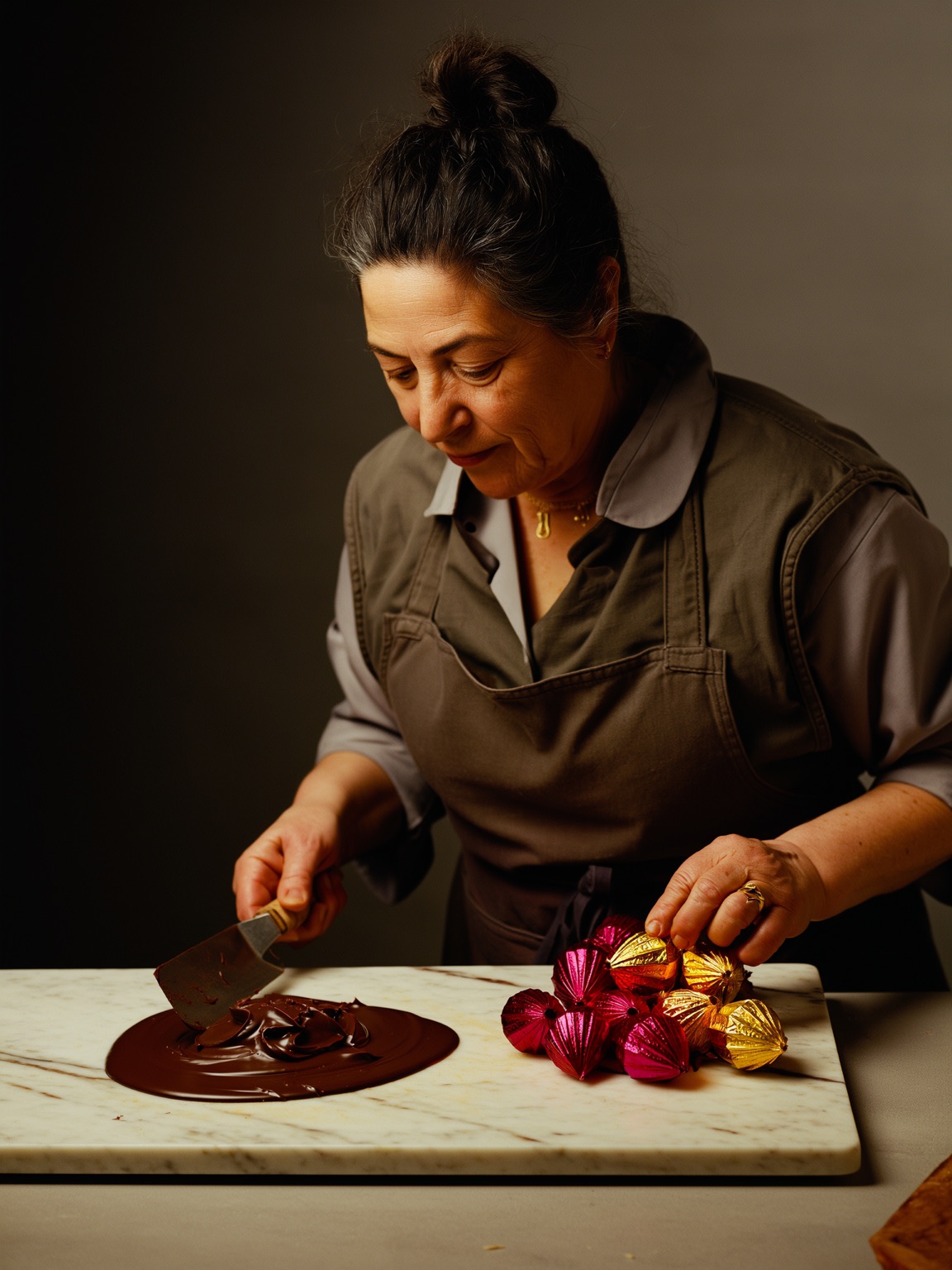
Tempering is the last moment you can lose a bar. We do it by hand, by eye and by touch, because the snap is the first thing you taste.
Inès Arnaud trained as a pastry chef before a season in a Peruvian co-operative turned her toward the bean. She opened FÈVE in a former silk workshop on the slopes of the Croix-Rousse, with one roaster, one melanger and a marble table.
Every batch is still tasted by her before it is wrapped.
Inès ArnaudFounder and chocolate maker
Questions
Before you order.
Shipping, storage and what goes into every bar.
When do you ship?
From October to May, in insulated boxes with a cold pack. In warmer months chocolate melts in transit, so we keep orders for collection at the workshop in Lyon.
Where do you deliver?
France, Belgium, Germany, Italy, the Netherlands and Spain. Insulated standard takes 2 to 4 working days (€6.90, free over €45) and insulated express 1 to 2 working days (€12.90).
What is in the bars?
Our dark bars are cacao beans and cane sugar, plus the named inclusions. Noisette adds whole milk powder and hazelnut. Everything is made in a workshop that handles nuts.
How should I keep them?
Somewhere dry, away from light and below 20 °C. Not the fridge: the cold brings sugar to the surface as a white bloom. Taste them at room temperature.
Can I visit the workshop?
The shop is open Thursday to Saturday, 10:00 to 19:00. A seventy-five-minute tour with a tasting runs on Saturdays at 11:00 for €18. You can book it on the workshop page.
The letter
New origins, first.
One letter a season: the next bean we are roasting, the Saturday tour dates and the first release of every new bar. Nothing else.