Photo: Asad Photo Maldives, Pexels
Field notes · 6 min
Why our day starts with the tide table, not the clock
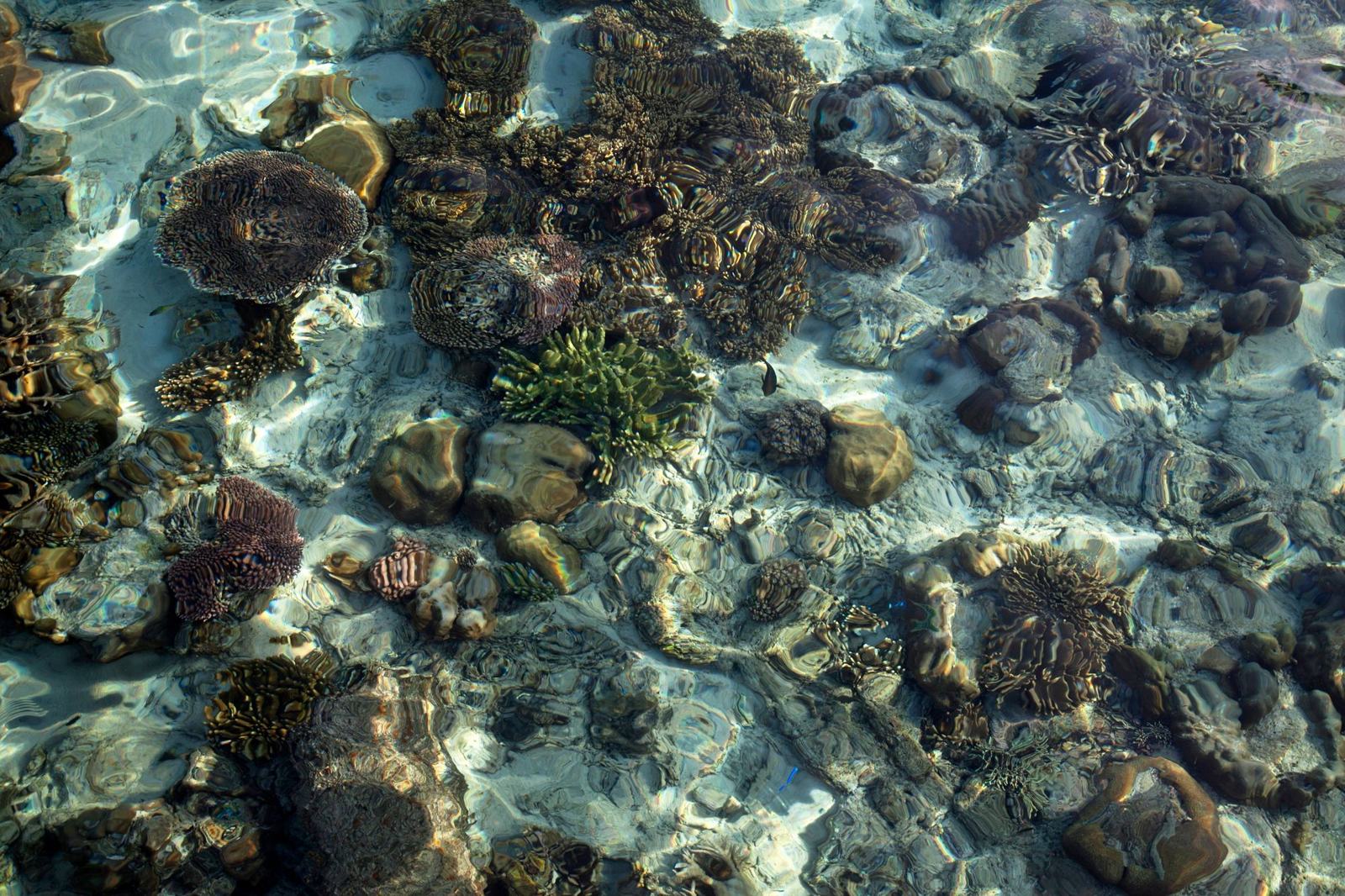
The lagoon in front of the east jetty moves about 1.1 m between low and high water at spring tides, and less than half that at neaps. That is enough to turn a swim into a walk. At low water the reef flat is ankle deep and the sandbank north of the island rises out of the sea; at high water there is 1.6 m over the coral and the turtles come up onto the flat to feed.
Tides here follow the moon, so each low water arrives about fifty minutes later than the one the day before. A sandbank lunch at noon on Monday is a sandbank lunch at 15:20 by Friday. So we stopped printing a fixed programme. Every evening the hosts look at the next day's tide and the forecast and move the experiences that depend on the sea.
We used to tell guests the sandbank was at noon. Now we tell them the sandbank is at low water, and lunch follows it.
The tide clock on the home page does the same sum in front of you, from the two strongest tidal constituents: the twelve-hour lunar tide and the daily solar-lunar one. It is good for planning. For anything that matters at sea, the boat crew read the real table.